Reclaim Your Movement, Reconnect With Life

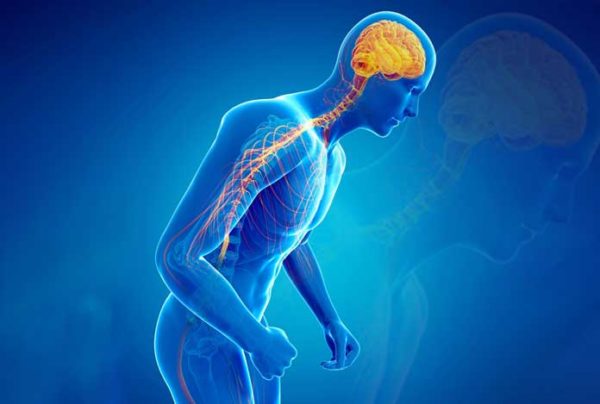
✅ Conditions We Treat: Stroke, Parkinson’s, MS, Spinal Injuries & more.

✅ Proven Therapies: Neuroplasticity training, FES, gait rehabilitation & balance programs.
✅ Your Goals, Our Mission: Tailored plans for daily independence and safety.

Make an Appointment.

Professional Neuro Physiotherapists

Science-Led Solutions for Neurological Recovery

Who we are

The People Behind Your Progress

We’re a collective of neuro physiotherapists, rehabilitation scientists, and compassionate innovators united by one belief: Neurological recovery is a journey best traveled together. Unlike traditional clinics, we blend cutting-edge neuroscience with relentless optimism to rewrite what’s possible after injury or diagnosis.

Relentless Adaptors

Customizing plans hourly – not monthly – as your needs evolve

Holistic Advocates

Addressing physical, emotional, and social barriers to independence

Years of Experience
0 +
More Than Therapists – Your Partners in Neurological Recovery
What we offer

Services at Mind March: Precision Neuro-Recovery Programs

Neurological Assessment & Diagnosis

We begin with a comprehensive evaluation of movement, strength, balance, and daily function. Using evidence-based tools and collaborative goal-setting, we pinpoint your unique neurological challenges to build a personalized roadmap for recovery.
Gait & Mobility Training

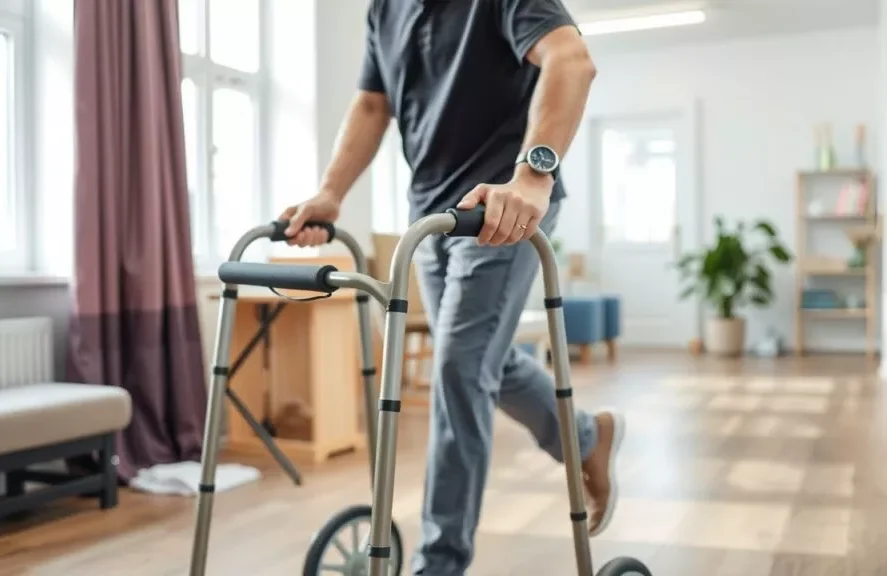
Regain confident, independent movement after neurological challenges like stroke, Parkinson’s, or spinal injury. Our neuro-specialized therapists combine FES (Functional Electrical Stimulation), body-weight supported treadmills, and real-world obstacle training to rewire your nervous system – transforming unsteady steps into steady strides.
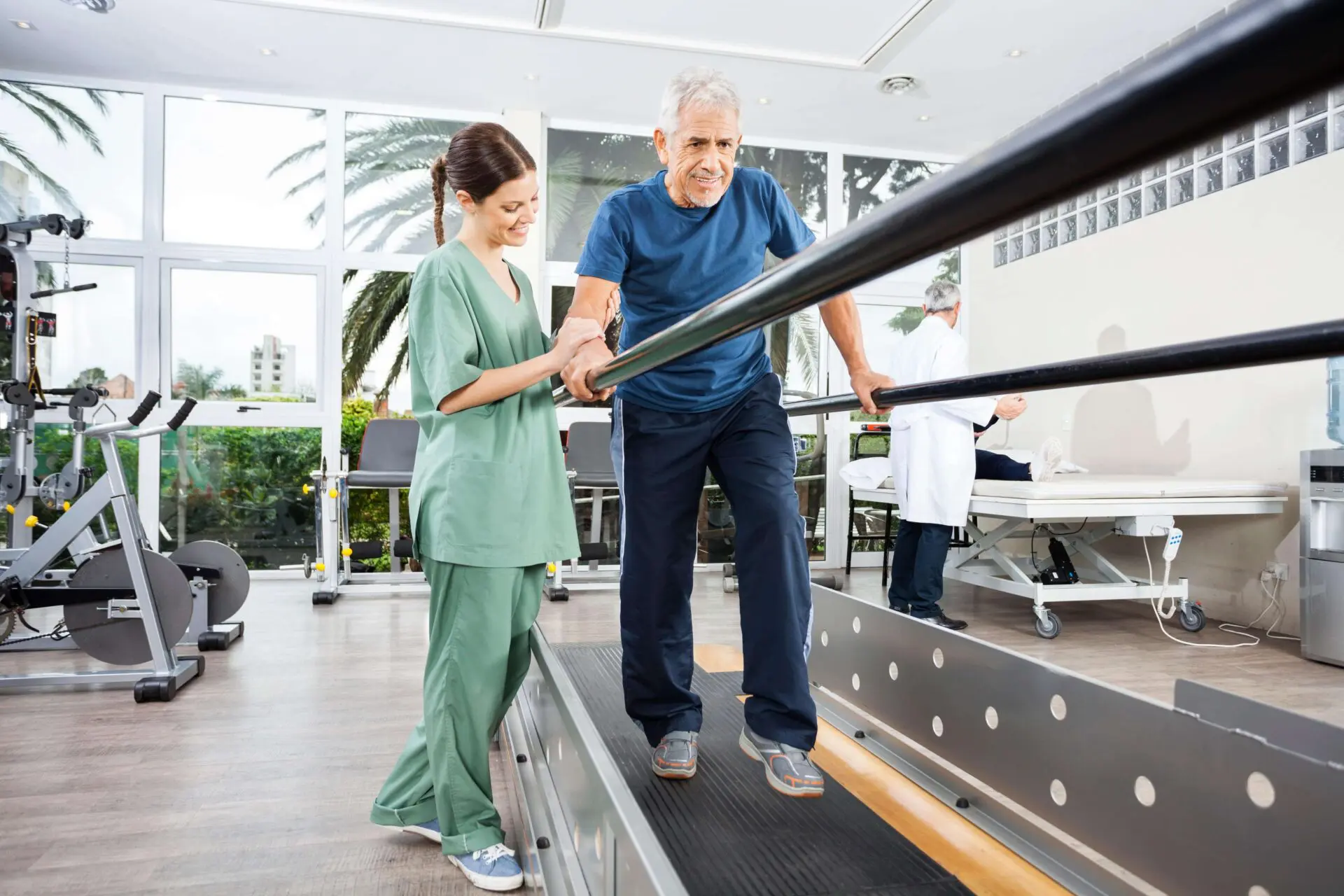
Balance & Fall Prevention Programs

Regain stability and confidence after neurological challenges like stroke, Parkinson’s, or vestibular disorders. Our neuro-specialized therapists combine certified vestibular rehab, proprioceptive retraining, and real-world simulations (uneven floors, dim lighting) to rewire your balance system.
Why Choose Us

Why Choose Home Neuro Rehabilitation?

Home neuro rehab brings high-quality neurological care directly to where patients feel safest and most comfortable—their own home. This personalized approach not only enhances recovery but also makes therapy more accessible and effective for individuals with mobility challenges or long-term conditions.

Key Benefits of Home Neuro Rehab

✔ Convenience & Comfort

Receive expert therapy in the familiarity of home—no travel stress, no clinic wait times, and a comfortable environment that encourages better participation.

✔ Personalized, Comprehensive Care

Therapy is tailored to each patient’s unique needs and may include physiotherapy, occupational therapy, and speech therapy for fully rounded support.

✔ Family Support & Better Outcomes

With loved ones actively involved, patients stay motivated and consistent, leading to improved recovery, better exercise compliance, and stronger progress.

✔ Cost-Effective & Prevents Complications

Home rehab reduces travel and hospital costs while helping prevent issues like muscle atrophy, stiffness, and pressure sores through regular guided therapy.

Conditions We Treat

Common Conditions Treated

Stroke (CVA)

Regain movement after paralysis. Our gait training + FES rebuilds walking and arm control.

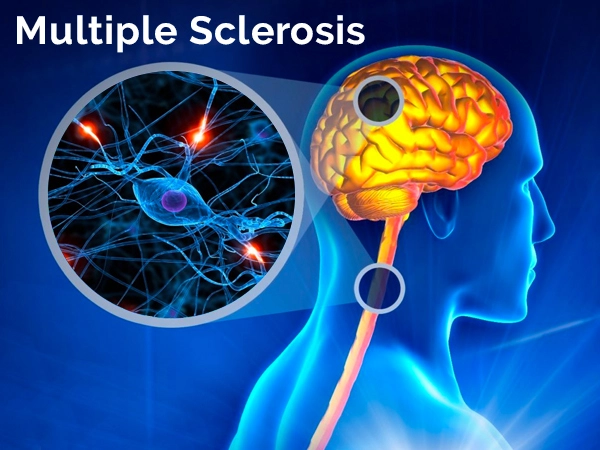
Multiple Sclerosis (MS)

Combat fatigue and imbalance. We boost core stability & proprioception for safer mobility.

Parkinson’s Disease

Defeat rigidity and freezing gait. Cue-based training + spasticity management restore fluid movement.

Spinal Cord Injuries

Rebuild independence after paralysis. FES activation + transfer training empower daily tasks.

Your Brain Health Playbook: Prevent, Detect & Thrive

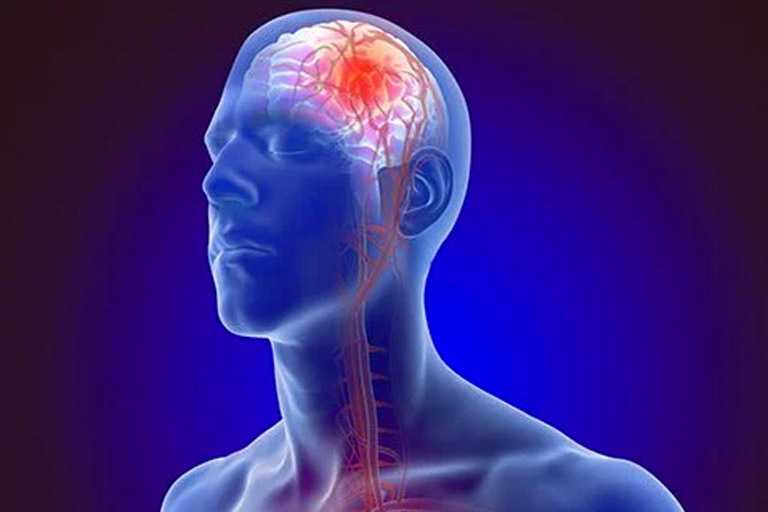
✔ Spot early signs of stroke, Parkinson’s & nerve damage
✔ Science-backed habits to reduce neurological risks
✔ When to seek help – key symptoms you shouldn’t ignore
→ *Free 28-page guide by Mind March’s neuro specialists*

Testimonial

Client Feedback

Common Questions

Most Popular Questions

If you have a problem with an aspect of your function (e.g. speech, walking, arm use, balance, memory), then it is likely that rehabilitation will help you.

Yes you can.

Research shows that people make the biggest improvement immediately after a condition like stroke or injury like brain injury, but with the right sort of training, people can continue to make small improvements at much later stages.

The therapist will ask you about what you are able to do, what is difficult to do, what you want to achieve, as well as some background information.

Then the therapist will assess your function directly using a range of tests.

At the end of the assessment, the therapist will discuss the results with you and together you will come up with a plan for your rehabilitation.

It really depends on your needs, resources and goals. Some people come three times each week and other people come once a month.

Yes, we can come to your home, your workplace, your gym or anywhere that is appropriate.

Yes there are two different ways we work with ACC. We have a contract with ACC to provide rehabilitation under a training for independence contract. We can only see you under this contract if we receive a referral from ACC. You can discuss your needs with your ACC case manager to see if a referral is appropriate.

We are also a registered ACC provider so ACC may contribute to the cost of your treatment if you have an accepted claim and your injury is recent. If you want to see us under this method, you can refer yourself.

The paralysis definition we will use includes the partial or full loss of movement, often in response to an injury or illness that most commonly affects the spine. Strokes can be caused by a number of factors, most commonly a stroke (29%), followed by spinal cord injury (23%), multiple sclerosis (17%), cerebral palsy (7%), and other injuries and ailments.

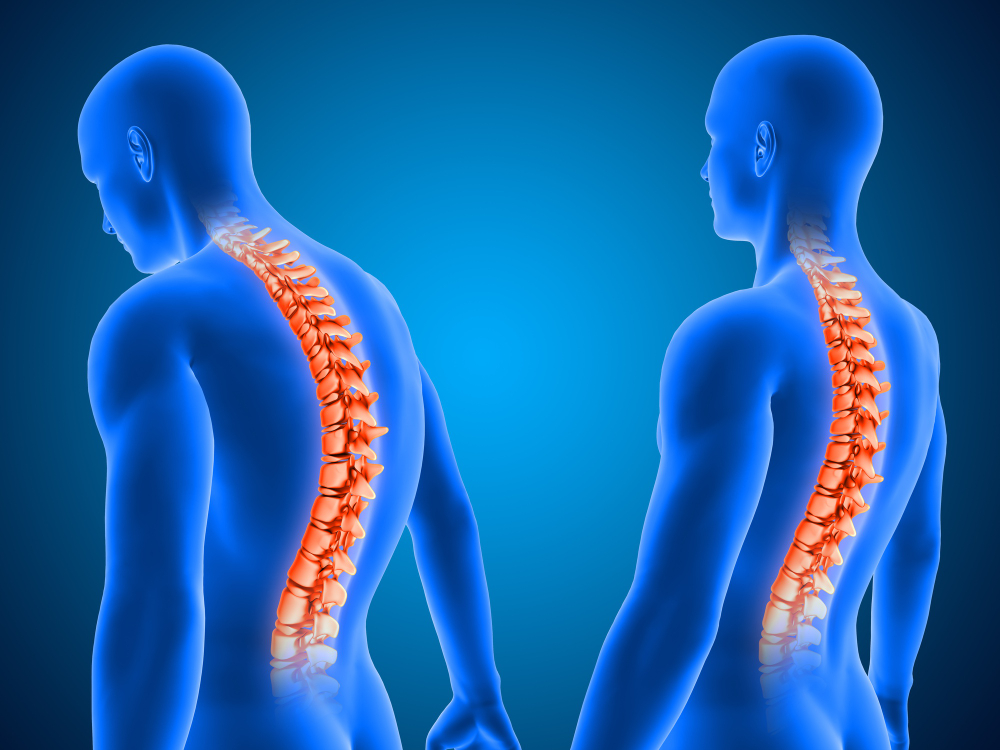
Spinal cord injuries are those that result in damage to the spinal cord, a bundle of nerves that are located in the spinal column. There are two broad main categories: incomplete and complete.

Incomplete spinal injuries entail that the spinal cord has been partially severed or damaged. These injuries are increasingly common, accounting for more than 60% of spinal cord injuries due to increased medical knowledge and enhanced treatment. Some of the most common incomplete spinal injuries include:

Anterior cord syndrome: Impacting the front of the spinal cord, this injury impacts the cord’s motor and sensory pathways, making movement increasingly difficult and lessening sensitivity.
Central cord syndrome: Impacting the center of the spinal cord, this injury damages nerves that relay signals to the spinal cord from the brain. Resulting effects can include loss of fine motor functions, partial impairment and arm paralysis, and loss of bladder and bowel control and sexual functions.
Brown-sequard syndrome: This injury, which results in loss of movement capabilities impacting one side of the body more than the other, results from damage to one side of the spinal cord.
Complete spinal injuries entail that the spine has been completely severed at the injury site, effectively eliminating function of the nerves located below. These injuries result in loss of function due to a complete severance of the spinal cord. However, it may be possible to regain some abilities with the help of therapy and other medical treatment.

Much like a concussion, a brain contusion (bruise) is a form of traumatic brain injury (TBI) that often results from a fall or blow to the head. A contusion is a localized injury that ranges from relatively minor to life threatening.

Much like a skin bruise, it involves bleeding under the skin (subdural hematomas) and can result in a number of symptoms, including changes in personality or intelligence, memory challenges, localized numbness, and difficulty speaking or moving. Subdural hematomas can have deadly consequences and require immediate medical attention.

Spinal shock is the temporary reduction or loss of reflexes resulting from a spinal cord injury (SCI). The more severe the injury and shock to the autonomic nervous system, the more severe the resulting dysfunction will be. As a result, the spine experiences either hyporeflexia or areflexia, a reduction or loss of reflexes. Learn more about the stages of spinal shock, as well as treatment options and prognosis.

Yes, many stroke survivors go on to live fulfilling lives post-stroke. The key is early intervention, comprehensive rehabilitation, and a strong support system. While some may face long-term challenges, adaptive tools, lifestyle modifications, and ongoing therapy can significantly enhance quality of life.

Left side paralysis, often resulting from a stroke, can be improved with timely medical intervention and comprehensive rehabilitation. While "cure" may not always be possible, many individuals experience significant recovery of function. Early treatment, physical therapy, occupational therapy, and a dedicated rehabilitation regimen are crucial for optimal outcomes.

Get the best treatment from the most experienced neurologists.

Where 15+ years of specialized expertise meets advanced robotics and FES technology — delivering precise diagnoses and recovery plans to reclaim your independence.